Source explosion proof solar submersible pump for Agriculture, Mining, and Irrigation
Find and compare 30 explosion proof solar submersible pump options from verified Chinese manufacturers. Buyers can review specifications like power, capacity, and certifications to select units suitable for agriculture, mining, and irrigation applications.
Key considerations
Products List




Comprehensive Sourcing Guide
Strategic Sourcing Guide for Explosion-Proof Solar Submersible Pump Systems
The global transition toward decentralized water management has elevated the demand for explosion-proof solar submersible pumps, particularly in remote agricultural zones, mining operations, and off-grid industrial sites. These systems represent a convergence of renewable energy integration, hazardous environment safety, and high-efficiency fluid dynamics. For procurement professionals, navigating this specialized market requires a rigorous understanding of technical specifications, certification protocols, and supply chain reliability. The following guide synthesizes available market data and industry standards to provide a disciplined framework for sourcing these critical assets without relying on unverified claims or speculative data.
Technical Architecture and Performance Parameters
Understanding the fundamental architecture of the pump is the first step in defining procurement requirements. The core technology often relies on centrifugal mechanisms, specifically single-stage or multistage configurations depending on the required head and flow rate. Market observations indicate a prevalence of single-stage centrifugal pumps for general applications, while multistage designs are utilized for high-pressure requirements. The impeller design is equally critical; options range from semi-open impellers to specific materials like stainless steel, which are essential for durability in corrosive or abrasive water conditions.
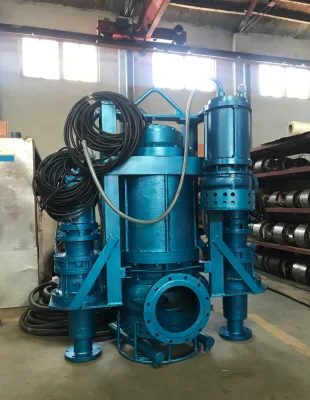
Power delivery in these systems is distinct from traditional grid-connected units. The driving force is explicitly solar energy, necessitating a direct coupling with solar panels or an integrated inverter system. The motor must be capable of handling variable input power, often operating within specific wattage ranges such as 0.25kW to 1.1kW for smaller units, though larger industrial models may exceed these thresholds. The physical structure of the pump is typically vertical, with the shaft positioned vertically to facilitate submersible operation. The casing is often designed with a vertical joint surface to ensure watertight integrity under pressure.
Flow capacity and head pressure are the primary performance metrics. Buyers should verify that the selected unit meets the specific hydraulic demands of the site. Observed capacity ranges in the market span from less than 50 liters per minute for small-scale irrigation to 50-100 liters per minute for medium-duty applications. The maximum head can vary significantly, with some units rated for 10-30 meters, while others are engineered for high-pressure scenarios. The pump diameter size is another critical specification, with common configurations including 3-inch models, though customizations are frequently available to meet specific pipe infrastructure requirements.
Compliance and Certification Protocols
In hazardous environments, the "explosion-proof" designation is not merely a marketing term but a strict regulatory requirement. Procurement teams must verify that the equipment adheres to recognized international standards. The supply chain data indicates that products often carry certifications such as CE, SGS, TUV, and ISO9001. These certifications validate that the manufacturing process and the final product meet specific safety and quality benchmarks. However, the specific explosion-proof rating (such as ATEX or IECEx) must be explicitly confirmed for the intended zone of operation, as general CE certification does not automatically imply explosion-proof compliance.
The standard for the product itself may vary by model. Some listings indicate standards are dependent on the specific model number, while others adhere to universal certifications. Buyers must ensure that the certification documents provided by the supplier are current and applicable to the specific pump model being purchased. The origin of the product is also a factor in compliance; manufacturing in regions like Taizhou or Guangzhou in China is common, but the final certification must be issued by an accredited body recognized in the buyer's jurisdiction.
Cost Drivers and Economic Considerations
The pricing landscape for explosion-proof solar submersible pumps is highly variable, influenced by material composition, power rating, and certification depth. The observed market price range spans from approximately $0.07 to $1,850, reflecting the vast difference between small, low-power units and large, industrial-grade systems. This wide range underscores the importance of defining the exact scope of work before soliciting quotes. Factors driving cost include the use of stainless steel for the impeller and casing, which offers superior corrosion resistance compared to standard materials. Additionally, the complexity of the motor design required to handle solar variability and the inclusion of explosion-proof housing contribute significantly to the final price.
Minimum Order Quantities (MOQ) also play a crucial role in the total cost of ownership. The market shows an MOQ range from 1 unit up to 10,000 units. For small-scale projects or pilot programs, sourcing a single unit is feasible, but buyers should be aware that unit costs may be higher at lower volumes. Conversely, large-scale agricultural or industrial deployments can leverage bulk purchasing to reduce per-unit costs. Packaging requirements, ranging from individual cartons to wooden cases for heavy-duty units, can also impact logistics costs and should be factored into the total budget.
Typical Applications and Operational Environments
The versatility of these pumps allows them to serve a diverse array of applications. In the agricultural sector, they are utilized for irrigation, drinking water supply, and general farming operations where grid electricity is unavailable or unreliable. The ability to operate on solar energy makes them ideal for remote fields where extending power lines is economically unviable. In industrial settings, the explosion-proof feature is paramount for use in oil-related industries or areas where flammable gases or dust may be present. The specific application dictates the required safety rating and material durability.
The pump's usage extends to clarified water systems and submersible applications in various liquid environments. The design supports single-suction inflow types, making them suitable for drawing water from wells, tanks, or natural bodies of water. The mounting height and position of the pump shaft are critical considerations for installation in deep wells or large reservoirs. Buyers must ensure that the selected pump's maximum head and capacity align with the depth of the water source and the distance the water needs to be transported.
Supplier Evaluation and Geographic Sourcing
When evaluating potential suppliers, geographic origin provides a baseline for manufacturing capabilities. The majority of the observed supply originates from China, with specific hubs in Taizhou and Guangzhou. These regions have established ecosystems for pump manufacturing, offering a wide range of models and customization options. However, the presence of a manufacturing location does not guarantee quality or compliance. Buyers must scrutinize the supplier's track record regarding the specific certifications mentioned, such as CE, SGS, TUV, and ISO9001.
The availability of customization is a key differentiator among suppliers. Many manufacturers offer tailored solutions to meet specific power requirements, impeller types, or casing materials. This flexibility is essential for projects with unique hydraulic or environmental constraints. Buyers should also assess the supplier's ability to provide detailed technical documentation, including wiring diagrams, performance curves, and maintenance manuals. The condition of the product, typically listed as "New," should be verified through inspection protocols or third-party quality assurance services before shipment.
Quality Control and Long-Term Procurement Strategy
Ensuring the long-term reliability of explosion-proof solar submersible pumps requires a robust quality control strategy. The warranty period is a significant indicator of manufacturer confidence; some listings suggest warranties extending up to 25 years, though this should be verified against the specific terms and conditions. Quality control should extend beyond the factory floor to include pre-shipment inspections, particularly for the explosion-proof integrity of the housing and the electrical connections.
Lead times and delivery logistics are also critical components of the procurement strategy. While specific lead times are not universally standardized, the complexity of the order and the customization level will influence the timeline. Packaging standards, such as carton or wooden case options, must be selected based on the fragility of the equipment and the shipping method. For international shipments, ensuring that the packaging meets export standards is vital to prevent damage during transit.
Comparative Analysis of Pump Configurations
To assist in decision-making, the following table summarizes key distinctions between common pump configurations found in the market, based on observed specifications.
| Feature | Single-Stage Centrifugal | Multistage Centrifugal | Screw Pump |
|---|---|---|---|
| Typical Application | General irrigation, low head | High pressure, deep wells | Viscous fluids, specific industrial |
| Impeller Type | Semi-Open, Single Suction | Multistage | Screw |
| Power Source | Solar Energy | Solar Energy | Solar Energy |
| Structure | Vertical, Single-stage | Vertical, Multistage | Vertical |
| Common Diameter | 1"-3" | Variable | 3 Inch |
| Max Capacity | 50-100 L/min | Variable | <50 L/min |
| Material | Stainless Steel, P C | Stainless Steel | Stainless Steel |
This comparison highlights that while the power source remains consistent across these configurations, the mechanical design varies significantly to suit different hydraulic needs. Selecting the correct configuration is essential for optimizing energy efficiency and ensuring the longevity of the system.
Final Procurement Recommendations
Sourcing explosion-proof solar submersible pumps requires a meticulous approach that balances technical performance with safety compliance. Buyers must prioritize verified certifications and material quality over price alone, especially when operating in hazardous environments. The wide range of available models, from small 0.25kW units to larger industrial systems, offers flexibility but demands careful specification matching. By leveraging the observed data on standards, origins, and configurations, procurement teams can build a resilient supply chain that supports sustainable water management initiatives. Continuous engagement with suppliers to verify warranty terms, customization capabilities, and post-sales support will ensure that the investment delivers long-term value and operational safety.
FAQs
What certifications do explosion proof solar submersible pumps carry?
These pumps often carry CE, SGS, TUV, and ISO9001 certifications to validate safety and quality. Buyers must verify that specific explosion-proof ratings like ATEX apply to the intended zone, as general CE certification does not automatically imply full compliance for hazardous environments.
Which power sources drive these submersible pumps?
The driving force is explicitly solar energy, requiring direct coupling with solar panels or integrated inverter systems. The motor handles variable input power, typically operating within ranges like 0.25kW to 1.1kW for smaller units or higher thresholds for industrial models.
How does the pump structure differ for high pressure?
High-pressure requirements often utilize multistage centrifugal designs, while general applications rely on single-stage configurations. The physical structure is typically vertical with a shaft positioned vertically to facilitate submersible operation and watertight integrity under pressure.
Can buyers customize the pump specifications for their needs?
Customization is available to meet specific power requirements, impeller types, or casing materials. This flexibility is essential for projects with unique hydraulic or environmental constraints, allowing tailored solutions for specific pipe infrastructure or flow demands.
What is the typical capacity range for these units?
Observed capacity ranges span from less than 50 liters per minute for small-scale irrigation to 50-100 liters per minute for medium-duty applications. Buyers should verify that the selected unit meets the specific hydraulic demands of the site regarding flow rate.
Where are these pumps typically manufactured?
The majority of observed supply originates from China, with specific manufacturing hubs in Taizhou and Guangzhou. These regions have established ecosystems for pump manufacturing, offering a wide range of models and customization options for global procurement.
What materials are used for the impeller and casing?
Materials often include stainless steel for the impeller and casing to offer superior corrosion resistance. Options also range from semi-open impellers to specific materials like P C, which are essential for durability in corrosive or abrasive water conditions.